
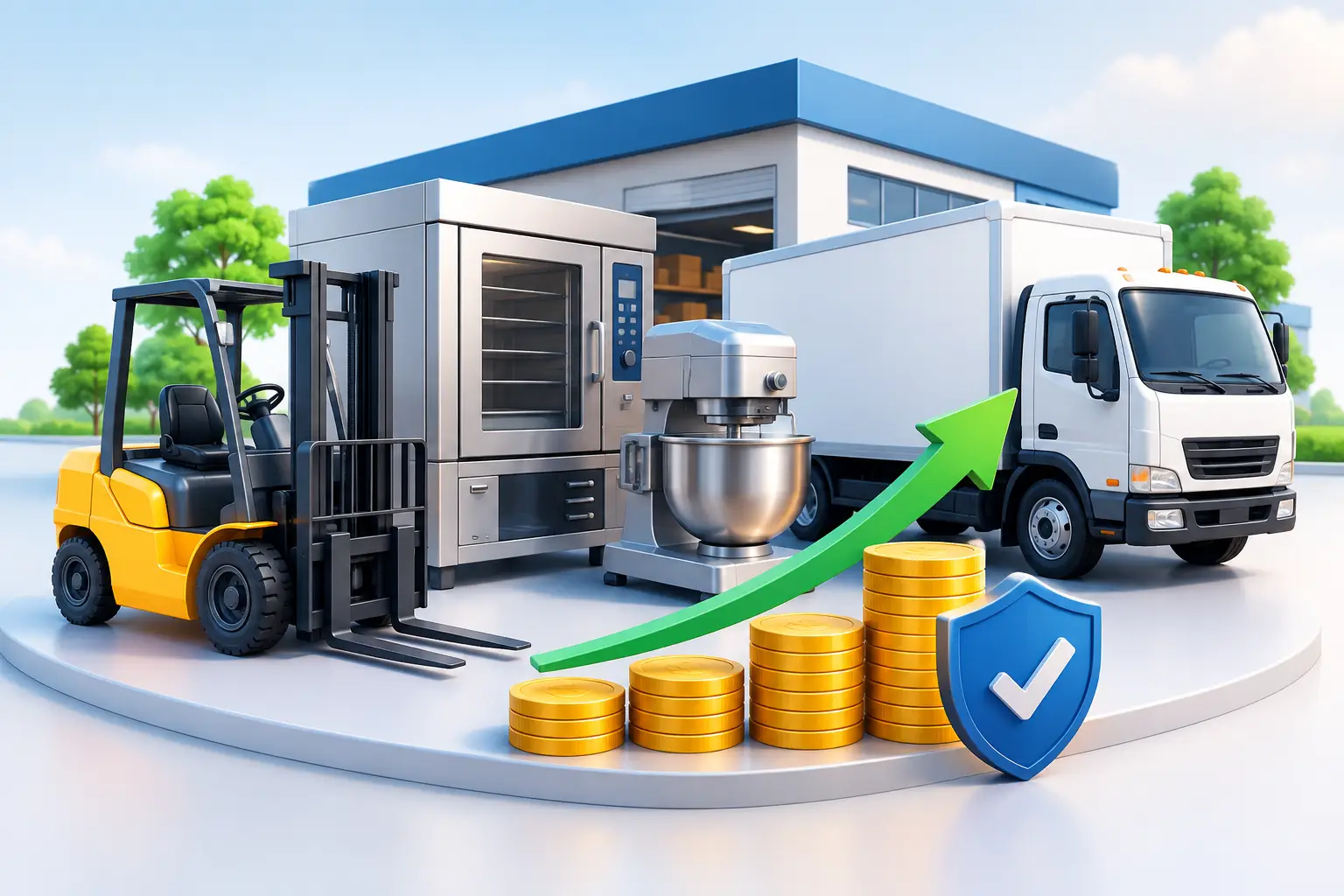
A broken excavator, an aging delivery fleet, or a production line that cannot keep up can turn a strong sales month into a missed opportunity. Commercial equipment financing gives businesses a practical way to acquire income-producing assets without tying up the cash needed for payroll, inventory, marketing, and daily operations.
The right structure can help a contractor take on larger jobs, a medical practice add capacity, or a manufacturer reduce costly downtime. The wrong structure can leave the business paying for equipment that no longer fits its needs. The goal is not simply to get approved. It is to match the financing term, payment, and ownership plan to the way the equipment will support your revenue.
What Commercial Equipment Financing Covers
Commercial equipment financing is used to purchase or lease tangible business assets. The equipment itself often serves as collateral, which can make this option more accessible than unsecured financing and may support larger funding amounts.
Eligible assets vary by lender, but commonly include construction machinery, trucks and trailers, manufacturing equipment, commercial kitchen equipment, medical and dental technology, agricultural machinery, point-of-sale systems, IT hardware, and specialized tools. New equipment is usually easier to finance, though many lenders will consider used equipment when its age, condition, resale value, and remaining useful life meet their guidelines.
The equipment vendor is typically paid directly at closing. Your business then repays the financing through fixed periodic payments, often monthly. Depending on the structure, you may own the asset immediately, own it after the final payment, or have a purchase option at the end of a lease.
Choose the Structure That Fits the Asset
Equipment financing is not one product with one set of terms. A few common structures can look similar at first but create very different obligations.
Equipment loans
An equipment loan is generally the most straightforward path for a business that intends to keep the asset long term. You borrow against the purchase price, make scheduled payments, and own the equipment once the loan is paid off. Terms often align with the asset’s useful life, so a durable machine may qualify for a longer repayment period than computers or technology that can become outdated quickly.
This approach makes sense when the equipment will remain central to operations for years. It can also be attractive when ownership and depreciation are priorities. The trade-off is that your business assumes the resale-value and obsolescence risk.
Equipment leases
A lease may offer lower upfront costs and more flexibility when equipment changes rapidly or when preserving cash is the primary goal. At the end of the lease, the business may return the equipment, renew the arrangement, or purchase the asset under the terms of the agreement.
Leasing can work well for technology, vehicles, and equipment with predictable replacement cycles. But a lower monthly payment does not automatically mean a lower total cost. Review the end-of-term purchase option, return conditions, mileage or usage limits where applicable, and whether the lease requires a personal guarantee.
Sale-leaseback financing
Businesses that already own valuable equipment may use a sale-leaseback to release capital tied up in those assets. A financing provider purchases the equipment, and the business leases it back while continuing to use it.
This can create working capital without interrupting operations. It is useful when a company has assets on hand but needs liquidity for inventory, expansion, payroll, or a time-sensitive contract. The cost and long-term ownership implications still deserve close review, particularly if the asset is difficult or expensive to replace.
What Lenders Evaluate Before Approval
Approval is not based on credit alone. Equipment lenders generally assess the full transaction: the borrower, the asset, and the ability of the business to make payments.
Time in business, revenue consistency, bank activity, existing debt, industry conditions, and personal or business credit can all affect available terms. A newer company may still qualify, especially when the equipment has strong resale value or the owner has solid personal credit, but it may need a larger down payment or a personal guarantee.
The equipment matters just as much. Lenders tend to favor assets that are identifiable, insurable, durable, and easy to resell. A standard skid steer from a recognized manufacturer may be easier to finance than a highly customized machine built for one niche process. Used equipment may require an appraisal, serial numbers, maintenance records, or a vendor quote that clearly identifies the unit.
A clean application helps move quickly. Be ready to provide an equipment quote or invoice, basic business information, recent bank statements, and financial statements or tax returns when the request is larger or more complex. Having those documents organized can prevent an approval from slowing down when the vendor is ready to deliver.
Compare the Payment to the Revenue It Creates
The key question is not only, “Can we afford the payment?” Ask whether the equipment will create or protect enough cash flow to justify the payment.
For example, a contractor financing a $120,000 excavator should estimate the additional jobs it can complete, rental expense it can eliminate, maintenance savings it can produce, and the utilization rate needed to cover the monthly obligation. A machine that sits idle most weeks can strain cash flow even if the rate looked competitive. A machine that allows the company to win larger projects may pay for itself quickly.
Look beyond the advertised interest rate. Compare the total amount financed, down payment, monthly payment, term length, origination fees, documentation fees, insurance requirements, prepayment terms, late-payment provisions, and end-of-term purchase price. Some offers appear attractive because they stretch payments over a longer period. That can protect monthly cash flow, but it may increase the total cost and leave you paying after the equipment has lost much of its value.
It also helps to compare financing against the cost of doing nothing. Renting may be the better choice for a one-time job or uncertain demand. Buying with cash may make sense when reserves are strong and the business has no higher-return use for that capital. Financing is often most useful when the asset will generate revenue while the business keeps liquidity available for other priorities.
A Faster Way to Approach Equipment Funding
Start with the equipment decision, not the loan application. Confirm the exact asset, vendor, purchase price, expected delivery date, useful life, and the revenue or savings it is expected to produce. Then decide what matters most: lowest total cost, lowest upfront cash requirement, fastest funding, flexible end-of-term options, or the ability to finance additional soft costs such as installation, freight, and warranties.
Next, seek terms that fit your operating cycle. Seasonal businesses may need a payment structure that accounts for slower months. A transportation company replacing revenue-producing trucks may prioritize speed and uptime. A growing practice investing in advanced diagnostic equipment may prefer a longer term that keeps the payment aligned with gradual patient-volume growth.
A centralized funding process can save time when the transaction has variables. BlackMound helps businesses begin with a no-obligation application and soft credit check, then identify financing paths that fit the asset, timeline, and broader capital needs. That matters when an equipment purchase is only one part of a larger plan involving working capital, inventory, or expansion.
Questions to Settle Before You Sign
Before accepting an offer, get clear answers on four points:
- Who owns the equipment during and after the term, and what purchase option applies?
- What is the total dollar cost, including all fees and any end-of-term payment?
- Can you pay off early, and is there a prepayment penalty or minimum finance charge?
- What happens if equipment is damaged, sold, replaced, or no longer needed?
These questions are especially valuable with used equipment, leases, and specialized assets. The paperwork should match what the sales conversation promised. If a term is unclear, ask for it in writing before funding.
Equipment should help your business move faster, serve customers better, or operate more profitably. When the financing structure supports that outcome instead of competing with it, the monthly payment becomes a planned business investment rather than another pressure on cash flow.


